Merry Christmas Clipart Card Hare 1: A Designer's Review
As someone who spends more time staring at stitch maps than most people spend on their phones, I approach every new machine embroidery design with a mix of excitement and skepticism. We've all been there: you download a cute graphic, load it onto your machine, and halfway through the run, you realize the density is going to turn your fabric into cardboard or the details are too fine for the thread weight you have on hand. That is why I took a close look at Merry Christmas Clipart Card Hare 1 before committing it to a client project. This isn't just about whether the image is cute; it's about whether it holds up under the needle and delivers value to the end user.
First Impressions and Visual Personality
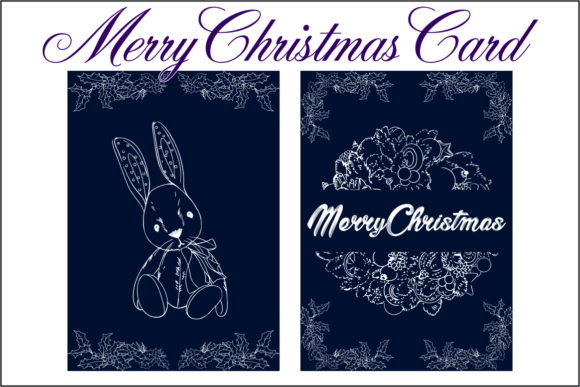
When I first pulled up the preview for Merry Christmas Clipart Card Hare 1, the immediate vibe was whimsical yet classic. In the world of Illustrations meant for embroidery, there is often a disconnect between what looks good on a screen and what translates well into thread. This design, however, seems to bridge that gap effectively. The silhouette of the hare is distinct, avoiding the muddy middle ground where small details get lost in a sea of satin stitches.
The mood it creates is perfect for the holiday season without being overly cluttered. It feels like something you'd find on a vintage greeting card, which gives it a timeless appeal. For an Etsy seller or a boutique owner, this kind of aesthetic is gold. It appeals to customers looking for that "handmade" feel rather than something mass-produced. The layout appears balanced, suggesting that the digitizer considered how the eye moves across the shape. Whether you are aiming for a fill stitch heavy look or a mix of textures, the foundational shapes here look ready to accept various thread techniques without losing their identity.
Real-World Application: The Holiday Tote Scenario
To truly test the viability of this design, I imagined a specific real-life scenario: creating a limited run of holiday gift totes for a local bakery. The goal was to produce a custom apparel adjacent item that felt premium but could withstand the rigors of carrying bread and pastries. Merry Christmas Clipart Card Hare 1 fit the brief perfectly.
In this context, the design shines as a central focal point. On a canvas tote bag design, the clean lines of the hare would pop against a natural or deep green fabric. I could envision using a metallic gold thread for certain accents to elevate the finished product from a simple craft to a boutique item. The scale of the hare seems appropriate for a standard 5x7 hoop, making it versatile enough for larger bags without needing excessive resizing that might compromise stitch integrity. If I were stitching this onto a heavy cotton twill, the definition of the hare's features would likely remain crisp, ensuring that the handmade product looks professional even after repeated use.
Versatility Across Different Products
Beyond tote bags, the adaptability of this embroidery file is one of its strongest assets. Here is how I see it performing across different mediums:
- Sweatshirt Embroidery: Placed on the chest or sleeve of a holiday sweater, the design offers a charming alternative to generic text-based graphics. The density should be manageable on fleece, provided the stabilizer is up to the task.
- Baby Embroidery: For nursery decor or baby onesies, the soft, illustrative nature of the hare is ideal. However, care must be taken to ensure no tiny, loose threads remain that could pose a safety hazard.
- Embroidered Patch: This design has the potential to be an excellent candidate for a patch. The clear boundaries of the hare make it easy to cut around or merrow edge, creating a standalone accessory that customers love.
- Kitchen Textiles: Imagine this stitched onto a linen tea towel or an apron. It adds a festive touch to holiday hosting gear, increasing the perceived value of the item significantly.
Technical Considerations and Fabric Challenges
While the visual appeal is high, a responsible designer must also look at the technical hurdles. Not every fabric plays nice with every design. When working with Merry Christmas Clipart Card Hare 1, there are a few areas where caution is required.
If you are planning to stitch this on stretchy fabrics like jersey knits, the stitch density becomes critical. If the design is too dense, it will pucker the fabric and restrict movement, ruining the drape of a t-shirt or baby gown. Conversely, if the density is too light, the fabric might show through the stitches, making the colors look dull. Testing on scrap fabric is non-negotiable here. You need to verify if a cut-away stabilizer is necessary to maintain shape over time, especially for items that will be washed frequently.
Another consideration is dark fabric. If the original clipart relies on white space or light colors, stitching it directly onto black navy blue might require a careful selection of thread colors or even an underlay strategy to prevent the background from muddying the design. For curved surfaces like caps, the centering of the hare is vital. The design should be checked to ensure it doesn't distort when pulled over the curve of a hat brim.
Enhancing Brand Value and Customer Trust
Ultimately, the choice of design impacts your brand consistency. Using a high-quality, well-thought-out graphic like Merry Christmas Clipart Card Hare 1 signals to your customers that you care about the details. In the competitive landscape of commercial embroidery and handmade goods, professionalism is key. A blurry, poorly stitched image can erode customer trust instantly.
This design, with its clear thematic focus and likely robust digitizing structure, supports a narrative of quality. It helps in creating printable mockup images that look authentic, which is crucial for online listings. When a customer sees a cohesive, well-executed design on your small shop product page, they are more likely to engage and purchase. It transforms a simple piece of cloth into a personalized gift that carries emotional weight.
Final Designer Notes and Best Practices
Before you rush to stitch out a dozen units for your holiday collection, here are some practical steps to ensure success with this digital embroidery file:
- Check the License: Always confirm the licensing terms. Just because a design is available doesn't mean it is free for commercial embroidery use. Ensure you have the right to sell finished items featuring this hare.
- Thread Contrast Test: Run a test stitch-out using high-contrast thread colors on your intended fabric. This reveals any gaps in coverage or areas where the running stitch or satin borders might need adjustment.
- Hoop Size Verification: Confirm the required hoop size matches your machine's capabilities. Don't assume it fits a 4x4 hoop just because it looks small on screen.
- Wash Testing: If the final product is meant to be washed, run the test piece through a cycle. Check for puckering, thread breakage, or color bleeding.
- Detail Inspection: Look closely at the small corners and intricate parts of the hare. If they look jagged in the preview, they might need manual editing in your embroidery software before stitching.
In conclusion, Merry Christmas Clipart Card Hare 1 presents itself as a strong contender for holiday projects. It balances artistic charm with the practical requirements of embroidery. Whether you are a hobbyist making gifts for family or an Etsy seller building a seasonal inventory, this design offers a solid foundation. With the right preparation, fabric choice, and attention to technical details, it can become a standout element in your portfolio of design assets. Remember, the best designs are the ones that look as good in hand as they do on the screen, and this hare seems poised to deliver exactly that.