Line Art Christmas Clipart Wreaths: A Designer's Review
As someone who spends hours digitizing and stitching for clients, I approach every new machine embroidery design with a critical eye. It is not just about whether the image looks cute on a screen; it is about how that image translates into thread, how it sits on fabric, and whether it will hold up after a wash cycle. Recently, I evaluated the Line Art Christmas Clipart Wreaths collection to see if these illustrations could transition from digital assets to high-quality finished products. My goal was to determine if this set belongs in the rotation for my upcoming holiday rush.
The First Impression: Minimalism Meets Tradition
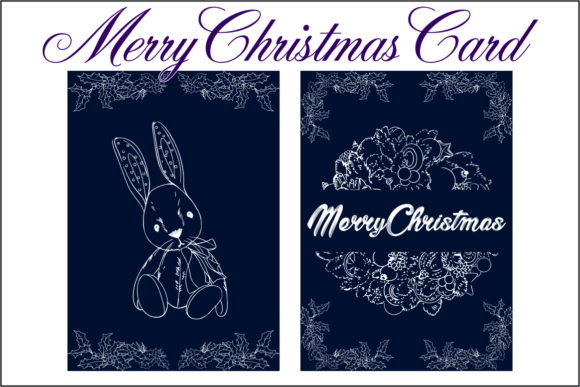
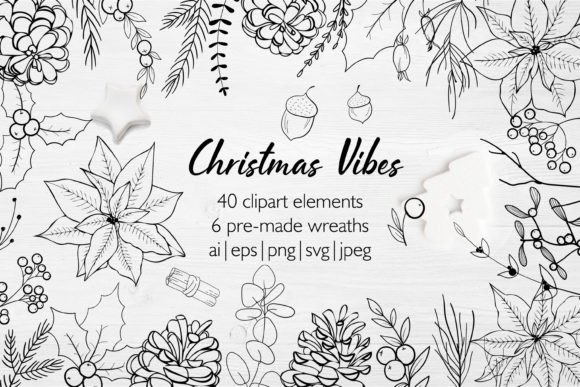
When I first opened the files, the immediate takeaway was the clean, modern aesthetic. Unlike traditional wreath designs that often rely on heavy fill stitches and complex shading, these rely on strong outlines and negative space. The mood is airy and sophisticated, perfect for the current trend toward minimalist holiday decor. For an Etsy seller or boutique owner, this visual personality is a huge asset. It avoids the "busy" look that can sometimes plague holiday embroidery, offering instead a refined silhouette that works well on both modern and rustic items.
The layout of the wreaths suggests versatility. They are not overly dense, which immediately made me think about stitch count and production time. A lower density often means faster stitching, which is crucial when fulfilling bulk orders for a craft business. However, line art can be tricky; if the lines are too thin, they get lost on textured fabrics. If they are too thick, the design loses its delicate charm. These illustrations seem to strike a balance, but they demand respect regarding fabric choice.
Real-World Application: The Tote Bag Test
To truly gauge the potential of these designs, I envisioned a specific project: a custom embroidered canvas tote bag for a local coffee shop's holiday merchandise. Canvas is a sturdy, slightly textured fabric that can be unforgiving to fine details. In this scenario, the Line Art Christmas Clipart Wreaths would serve as the central branding element. Because the design is essentially an outline, it allows the natural texture of the canvas to show through, creating a premium, handcrafted feel rather than a solid block of thread that might stiffen the bag.
I also considered applying this to a sweatshirt embroidery project. Fleece and French terry have a lot of loft. A heavy satin stitch wreath might sink into the pile or cause puckering. The linear nature of these clipart wreaths makes them an excellent candidate for sweatshirts, provided the digitizing uses appropriate underlay to prevent the fabric from peeking through the gaps in a distracting way. For a personalized gift like a monogrammed holiday sweater, placing a small version of these wreaths on the cuff or pocket adds a subtle, professional touch without overwhelming the garment.
Navigating Fabric Challenges and Hoop Sizes
While the design is promising, there are areas where caution is required. Line art relies heavily on the integrity of the running stitch or a narrow satin column. On stretchy fabrics like jersey knits used for baby embroidery, there is a risk of the lines distorting if the stabilizer isn't robust enough. I would strongly advise using a cut-away stabilizer for any garment that will be worn and washed frequently. Tear-away might suffice for a wall hanging, but for custom apparel, you need that permanent support.
Another consideration is the hoop size. Many of these wreath designs are circular, which can be limiting if you are working with a standard rectangular hoop on a smaller machine. You must confirm the maximum dimensions of the embroidery file before purchasing. If the wreath is too large for your available hoop, you might be forced to resize it, which can compromise the stitch density and make fine lines too fragile to stitch out reliably. Always check the specified hoop requirements to ensure compatibility with your equipment.
Commercial Viability and Brand Consistency
For those selling digital embroidery files or finished goods, consistency is key to building trust. These wreaths offer a cohesive look that can tie together an entire product line. Imagine a collection featuring matching pillow covers, tea towels, and aprons, all utilizing variations of the same line art style. This creates a recognizable brand identity. Customers are more likely to engage with a small shop product that feels curated and professional rather than a random assortment of disparate designs.
The simplicity of the line work also makes these designs ideal for printable mockups. When marketing your handmade products online, having a design that renders clearly in photos is essential. Heavy, shiny threads can sometimes glare under studio lights, washing out details. Matte threads used in linear designs tend to photograph beautifully, enhancing the perceived value of the finished product. This visual appeal directly impacts buyer engagement and can justify a higher price point for your handmade items.
Practical Notes for the Studio
Before committing to a full production run, I always recommend a few testing steps. First, stitch the design on a scrap piece of your intended fabric. This allows you to check thread color contrast. Since these are line art designs, the thread color defines the entire image. A dark thread on a dark fabric might disappear, while a light thread on a dark background needs to be bold enough to stand out without looking cartoonish.
- Test Density: Ensure the gap between lines is wide enough to prevent thread buildup but narrow enough to maintain the shape.
- Check Corners: Look closely at sharp turns in the foliage; poor digitizing here can lead to bird nests or broken needles.
- Stabilizer Choice: Match the stabilizer weight to the fabric texture. Heavier fabrics need less support; lighter fabrics need more.
- Licensing Verification: Always confirm the license terms. Some clipart is for personal use only, while others allow commercial sales of finished physical goods but prohibit reselling the digital file itself.
Ultimately, the Line Art Christmas Clipart Wreaths represent a versatile tool for the modern maker. They bridge the gap between traditional holiday motifs and contemporary design sensibilities. Whether you are creating an embroidered patch for a hat, decorating a nursery with a festive banner, or producing a line of holiday gifts for clients, these designs offer a clean slate. They require thoughtful execution regarding fabric and stabilization, but when handled correctly, they elevate the professionalism of any project. For the designer willing to pay attention to the details, these illustrations are a solid investment for the season.