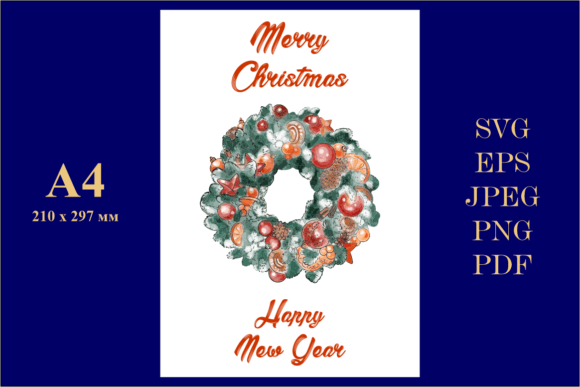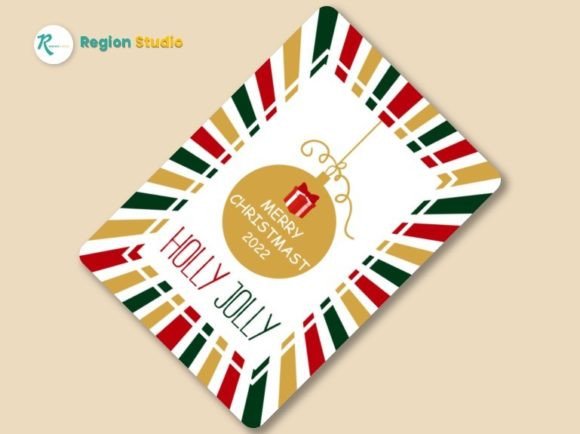
Merry Christmas Day Card – 53: Festive Illustrations
As a brand designer who spends most of my days refining visual identities for local entrepreneurs, I approach every new graphic design asset with a critical eye. It is not enough for an image to be pretty; it must serve a strategic purpose within a broader brand identity. Recently, while developing a seasonal campaign for a boutique artisanal soap maker, I evaluated Merry Christmas Day Card – 53. This piece stands out immediately as a versatile tool for small business branding, particularly for those in the handmade business sector looking to elevate their holiday presence without losing their unique voice.
Setting the Mood for Seasonal Brand Narratives
The first impression of Merry Christmas Day Card – 53 is one of warm, inviting nostalgia. Unlike some hyper-modern or overly minimalist holiday graphics that can feel cold, this illustration exudes a friendly and decorative charm. It suggests a brand personality that is approachable, community-focused, and deeply rooted in tradition. For a local business like a family-owned bakery or a florist, this mood is invaluable. It signals to the customer that there is a human hand behind the product, fostering an emotional connection that generic stock photography often fails to achieve.
The style leans towards the festive and soft, making it an excellent fit for brands that want to appear elegant yet accessible. It avoids being too childish or too corporate, striking a balance that works well for lifestyle brands, home decor shops, and gourmet food labels. When placed alongside a serif font, it enhances a sense of heritage; paired with a handwritten font, it amplifies the handmade aesthetic.
Strategic Applications in Packaging and Print
In the realm of packaging design, versatility is key. Merry Christmas Day Card – 53 shines when used as a focal point on product labels. Imagine a limited-edition holiday candle jar; this illustration could serve as the primary label graphic, instantly communicating the seasonal nature of the product. It also works beautifully as a decorative accent on larger boxes, perhaps stamped in gold foil to add a touch of luxury.
Beyond the primary package, this asset is perfect for secondary touchpoints. Consider its use on hang tags attached to clothing in a boutique store or on thank-you cards included in online orders. These small details significantly improve customer trust and perceived value. For food businesses, it can be adapted for menu graphics or price lists during the holiday season, creating a cohesive visual experience from the shelf to the point of sale. Even as a sticker on a shipping box, it turns a mundane delivery into a branded unboxing experience.
Elevating Digital Presence and Marketing Visuals
The utility of Merry Christmas Day Card – 53 extends well beyond physical print. In today's digital-first marketplace, social media graphics need to stop the scroll. This illustration provides a strong hero graphic for website banners or email headers announcing holiday sales. Its clear visual hierarchy ensures that when text is overlaid for promotional ads, the message remains legible while the background adds festive context.
For marketing visuals, consistency is crucial. Using this same illustration across Instagram stories, Facebook posts, and Pinterest pins creates a recognizable seasonal theme. It helps in building a stronger first impression for new followers who may be discovering the brand for the first time during the busy holiday shopping period. Furthermore, it serves as an excellent element in product mockups, allowing sellers to visualize how their items will look in a holiday setting before committing to a full production run.
Where to Exercise Caution
While Merry Christmas Day Card – 53 is a powerful tool, it is not a one-size-fits-all solution. Designers should use it carefully in contexts where clarity is paramount. For instance, it might compete with important text on very small labels or in ingredient-heavy layouts where regulatory information must be the priority. It is likely unsuitable for formal corporate branding or luxury minimalist brands that rely on stark whitespace and ultra-simple geometry.
Additionally, one must be mindful of contrast. Placing this illustration on low-contrast backgrounds could render it ineffective, reducing its impact on shelf appeal. It should never obscure legal information or distract from the core product features in a way that confuses the consumer.
Practical Notes for the Professional Designer
Before integrating Merry Christmas Day Card – 53 into a client project, several practical steps are essential. First, always test the asset on real packaging mockups to gauge its scale and proportion. Check how it performs in black and white, as many small businesses still utilize monochrome printing for cost efficiency. Preview the illustration on small labels to ensure details do not get lost during the printing process.
Color compatibility is another vital factor. Test the illustration with your specific brand colors to ensure harmony rather than clash. Compare it against competitor packaging to ensure your client's brand stands out rather than blends in. If the file format allows, inspect the SVG or vector editability to make necessary adjustments without losing quality. For raster versions, review the PNG transparency to ensure clean edges when placed over colored backgrounds.
Typography pairing is also critical. Experiment with placing the illustration beside various font styles—serif for elegance, sans serif for modernity, script for personalization, and display fonts for bold statements. Finally, and most importantly, confirm the commercial licensing. Ensure you have the right commercial license to use the asset for client work, business branding, and physical product sales. This due diligence protects both the designer and the business owner from legal complications.
Final Thoughts on Brand Value
In conclusion, Merry Christmas Day Card – 53 is more than just a holiday image; it is a strategic component for enhancing professional branding. When used thoughtfully, it supports better product recognition, clearer visual hierarchy, and a more consistent brand identity. For local business owners and creative entrepreneurs, leveraging such high-quality design assets can mean the difference between a product that sits on the shelf and one that flies off it. By focusing on stronger emotional connections and polished marketing visuals, this illustration helps transform a simple transaction into a memorable brand experience.