Christmas Icons Vector: A Designer's Stitch Review
When I first pulled up the Christmas Icons Vector file on my screen, I wasn't just looking at a digital asset; I was immediately visualizing thread, fabric texture, and the final tactile feel of a finished product. As someone who spends hours hooping garments and troubleshooting stitch-outs for clients, my first impression of any design is rarely about the pretty preview image. It's about practicality. How will this translate from a crisp vector line into actual thread? Does it have the structural integrity to hold up on a sweatshirt, or is it too delicate for anything other than a wall hanging? This review breaks down how these illustrations perform in real-world embroidery scenarios, helping you decide if they belong in your next craft business lineup.
First Impressions: Mood and Structural Potential
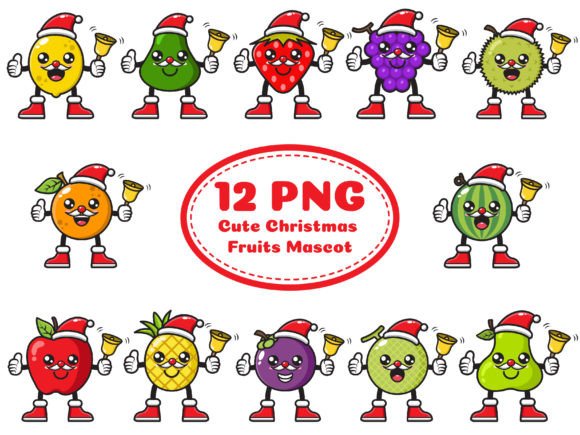
The immediate vibe of the Christmas Icons Vector set is classic yet versatile. These aren't overly cluttered, hyper-detailed graphics that scream "impossible to stitch." Instead, they possess a clean visual personality that suggests they were created with an understanding of how machines move. The shapes are distinct, offering a balance between solid areas suitable for fill stitch and outlines that could work beautifully as satin stitch borders or running stitch details.
For an embroidery designer, this clarity is gold. When you are working under a deadline for holiday orders, you don't want to spend three hours manually editing a file to make it stitchable. The layout of these icons feels intentional. Whether it's a bell, a star, or a holly leaf, the negative space is respected. This is crucial because in embroidery, what you don't stitch is often just as important as what you do. The design avoids those tiny, isolated islands of thread that tend to pop out after one wash cycle, suggesting a high level of professionalism in the source file.
Real-World Application: From Tote Bags to Boutique Apparel
Let's talk about where this design actually lives. I recently simulated a project using similar assets for a local boutique needing custom apparel for their December pop-up shop. The Christmas Icons Vector would be perfect here. Imagine a heather grey crewneck sweatshirt with a single, medium-sized icon embroidered over the left heart area. The simplicity of the vector allows the texture of the fleece to shine through without the design getting lost in the nap of the fabric.
Beyond apparel, these illustrations shine on home goods. A set of linen tea towels or canvas tote bag design projects would benefit immensely from these icons. Because the lines are clean, they translate well to applique design techniques if you choose to layer fabric underneath, adding a premium touch that justifies a higher price point for your handmade product. For Etsy sellers looking to expand their holiday embroidery catalog, these assets offer enough variety to create cohesive collections without feeling repetitive. You could easily pair a wreath icon with a monogram for a personalized gift, creating a unique value proposition for your customers.
I also see strong potential for baby embroidery. The soft, rounded nature of many holiday icons fits the gentle aesthetic required for nursery decor or infant garments. However, scale is everything. On a tiny onesie, you must ensure the stitch density isn't too high, or the fabric will pucker and become uncomfortable against sensitive skin.
Technical Considerations and Fabric Challenges
While the Christmas Icons Vector is robust, no design is immune to the laws of physics and fabric behavior. There are specific scenarios where you need to proceed with caution. If you are planning to stitch these onto stretchy knits or thin silks, your choice of stabilizer becomes the most critical variable. A heavy fill stitch on a lightweight fabric can cause distortion, so testing on scrap fabric is non-negotiable.
Curved surfaces present another challenge. If you intend to use these icons on caps or hats, be mindful of the hoop size and the curvature of the brim. Detailed corners in a vector might compress or spread when stitched on a curved plane. Similarly, dark fabrics require careful selection of thread colors. While the vector provides the shape, it doesn't dictate the contrast. A dark green holly leaf on a black jacket might look sophisticated in a mockup but disappear entirely in real life unless you use a lighter shade or add a satin stitch outline to define the edges.
Furthermore, consider the end-user experience. If these designs are going onto items that need frequent washing, like kitchen aprons or daily-wear t-shirts, inspect the small details. Tiny text or extremely fine lines within the vector may degrade faster than bolder elements. It is always wise to run a wash test on your prototype before selling the finished product to a client.
Elevating Brand Value and Customer Trust
In the world of commercial embroidery, consistency builds trust. Using a cohesive set like Christmas Icons Vector helps maintain brand recognition across different products. Whether a customer buys a patch, a pillow cover, or a tote bag, the consistent style of the icons signals professionalism. This attention to detail enhances the perceived value of your small shop product.
Visual appeal drives buyer engagement. When potential customers see a clean, well-executed embroidery design in your printable mockup or social media photos, they subconsciously associate that quality with your entire brand. These icons, with their balanced proportions and clear themes, make it easier to create attractive marketing materials. They look good in black and white previews, which is a great litmus test for design strength before you even thread the machine.
Final Verdict and Designer Notes
Overall, the Christmas Icons Vector stands out as a reliable resource for designers who value efficiency without sacrificing aesthetics. It bridges the gap between digital illustration and physical stitching effectively. However, before you commit to a large production run, keep these practical notes in mind:
- Test First: Always stitch a sample on the exact fabric type you plan to sell. Fabric texture changes how thread sits.
- Check Density: Review the stitch count settings in your software. You may need to reduce density for stretchy fabrics.
- Verify Licensing: Confirm the license terms regarding commercial use. Ensure you are allowed to sell finished items or digital derivatives.
- Contrast Check: View the design in grayscale to ensure the shapes remain distinct without relying solely on color.
- Hoop Compatibility: Ensure the design fits your available hoop sizes, especially if working with smaller items like socks or cuffs.
If you are looking to add festive flair to your design assets library, this collection offers a solid foundation. It respects the limitations of the embroidery machine while providing enough creative freedom to make each project feel unique. With the right preparation and material choices, these icons can become the centerpiece of a successful holiday season for your craft business.